


Coating thickness control is a crucial aspect when it comes to coating equipment. As a coating equipment supplier, I've seen firsthand how important it is to get the coating thickness just right. In this blog, I'll break down what coating thickness control is, why it matters, and how our equipment can help you achieve optimal results.
What is Coating Thickness Control?
Coating thickness control refers to the process of precisely regulating the amount of coating material applied to a substrate. It's not just about slapping on a layer of coating; it's about ensuring that the thickness meets specific requirements. This can vary depending on the application, the type of coating, and the desired outcome.
Think of it like painting a wall. You wouldn't want to apply too much paint, or it might drip and look messy. On the other hand, if you apply too little, the wall might not be fully covered, and the color might look patchy. The same principle applies to coating equipment. Whether you're applying a protective coating to a metal part or a decorative finish to a consumer product, getting the thickness right is essential.
Why Does Coating Thickness Control Matter?
There are several reasons why coating thickness control is so important. First and foremost, it affects the performance of the coating. A coating that is too thin might not provide adequate protection against corrosion, wear, or other environmental factors. For example, if you're coating a car part to prevent rust, a thin coating might not be able to withstand the harsh conditions and could start to peel or flake off over time.
On the other hand, a coating that is too thick can also cause problems. It might add unnecessary weight to the substrate, which can be a concern in applications where weight is a critical factor, such as aerospace or automotive industries. Additionally, a thick coating might be more prone to cracking or delamination, which can compromise its integrity and reduce its lifespan.

Another reason why coating thickness control matters is for aesthetic purposes. In many industries, such as consumer electronics or furniture, the appearance of the coating is just as important as its performance. A uniform and consistent coating thickness ensures a smooth and professional-looking finish, which can enhance the overall appeal of the product.
How Our Coating Equipment Helps with Thickness Control
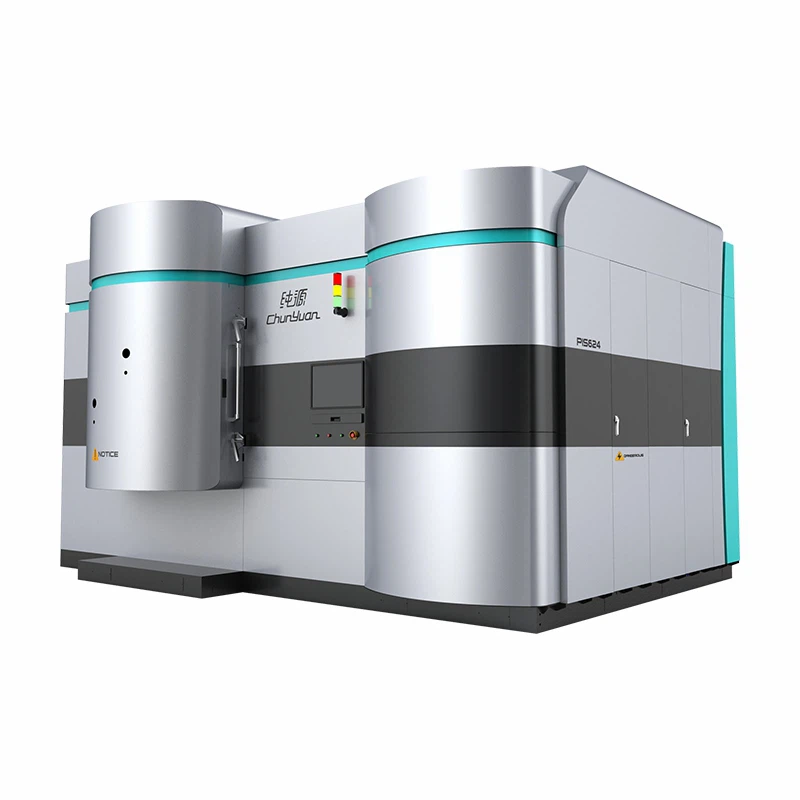
At our company, we understand the importance of coating thickness control, and that's why we've designed our equipment to provide precise and accurate results. Our Pure Ion Coating Equipment uses advanced technology to ensure that the coating is applied evenly and at the desired thickness.
One of the key features of our equipment is its ability to monitor and adjust the coating thickness in real-time. This means that you can get immediate feedback on the thickness of the coating as it's being applied, and make any necessary adjustments to ensure that it meets your specifications. Our equipment also has a high level of repeatability, which means that you can expect consistent results every time you use it.
In addition to our Pure Ion Coating Equipment, we also offer a range of other coating solutions, including PVD Coating Machine and Diamond Coating Machine. These machines are designed to meet the specific needs of different industries and applications, and they all come with advanced thickness control features.
Techniques for Coating Thickness Control
There are several techniques that can be used to control the coating thickness, and the choice of technique depends on the type of coating, the substrate, and the desired outcome. Some of the most common techniques include:
- Spray Coating: This is one of the most widely used techniques for applying coatings. It involves using a spray gun to atomize the coating material and apply it to the substrate. The thickness of the coating can be controlled by adjusting the spray pattern, the pressure, and the distance between the spray gun and the substrate.
- Dip Coating: In dip coating, the substrate is dipped into a bath of coating material. The thickness of the coating is determined by the viscosity of the coating material, the immersion time, and the withdrawal speed.
- Electroplating: Electroplating is a process that involves depositing a metal coating onto a substrate using an electric current. The thickness of the coating can be controlled by adjusting the current density, the plating time, and the composition of the plating solution.
- Physical Vapor Deposition (PVD): PVD is a process that involves depositing a thin film of coating material onto the substrate in a vacuum environment. The thickness of the coating can be controlled by adjusting the deposition rate, the time, and the pressure.
Challenges in Coating Thickness Control
While there are many techniques available for coating thickness control, there are also several challenges that need to be overcome. One of the biggest challenges is ensuring that the coating is applied evenly across the entire surface of the substrate. This can be particularly difficult when dealing with complex shapes or irregular surfaces.
Another challenge is maintaining a consistent coating thickness over time. Factors such as changes in the coating material, the substrate temperature, and the environmental conditions can all affect the coating thickness. To overcome these challenges, it's important to have a well-designed coating process and to use high-quality equipment that is capable of providing accurate and reliable results.
Conclusion
Coating thickness control is a critical aspect of the coating process, and it can have a significant impact on the performance and appearance of the final product. As a coating equipment supplier, we're committed to providing our customers with the best possible solutions for coating thickness control. Our Pure Ion Coating Equipment, PVD Coating Machine, and Diamond Coating Machine are all designed to provide precise and accurate results, and we're always looking for ways to improve our technology and processes.
If you're in the market for coating equipment and are looking for a reliable partner to help you with your coating thickness control needs, we'd love to hear from you. Contact us today to learn more about our products and services, and to discuss how we can help you achieve your coating goals.
References
- "Coating Thickness Measurement: Principles and Practices" by John Doe
- "Advanced Coating Technologies" by Jane Smith
- "Handbook of Coating Process Technology" by Bob Johnson


