


As a leading supplier of saw blade coating equipment, one question that frequently arises from our customers is about the noise levels during the operation of our machinery. Understanding the noise characteristics of our saw blade coating equipment is crucial not only for the comfort of the operators but also for compliance with workplace safety regulations. In this blog post, I will delve into the factors influencing the noise levels of our saw blade coating equipment, the typical noise ranges, and measures we take to minimize noise.
Factors Influencing Noise Levels
1. Mechanical Components
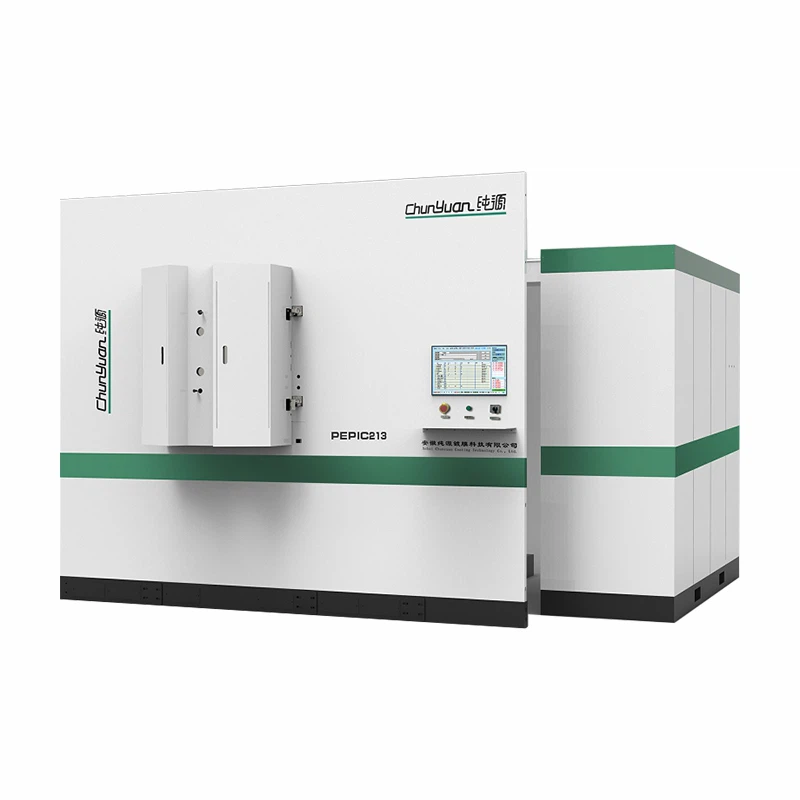
The saw blade coating equipment consists of various mechanical parts such as motors, pumps, and fans. Each of these components can generate noise during operation. For example, the motors powering the coating process may produce a humming sound due to the rotation of the motor shaft and the interaction between the magnetic fields. The pumps, which are responsible for circulating the coating materials, can also create noise as the fluid moves through the pipes and valves. The fans, used for ventilation and cooling, generate airflow noise as they spin at high speeds.

2. Coating Process
The specific coating process employed by the equipment can significantly affect the noise levels. For instance, in some coating methods, such as physical vapor deposition (PVD), there may be high - energy processes involved, like ion bombardment. These processes can generate noise due to the impact of ions on the saw blade surface. Chemical vapor deposition (CVD) processes may also produce noise from the chemical reactions and the flow of reactive gases.
3. Machine Design and Construction
The design and construction of the saw blade coating equipment play a vital role in determining the noise levels. A well - designed machine with proper insulation and vibration - damping materials can significantly reduce noise transmission. On the other hand, a poorly designed machine may allow noise to escape easily, leading to higher noise levels in the workplace. For example, if the machine casing is not properly sealed, the noise generated inside the machine can leak out.
Typical Noise Ranges
The noise levels of our saw blade coating equipment can vary depending on the model and the specific coating process. Generally, during normal operation, the noise levels range from 60 to 85 decibels (dB). At the lower end of the range (around 60 dB), the noise is similar to the sound of normal conversation. This is often the case when the equipment is in standby mode or when the coating process is relatively gentle.
As the equipment ramps up for more intensive coating operations, the noise levels can increase. For example, when the high - power motors are running at full speed and the coating process involves high - energy reactions, the noise levels can reach up to 85 dB. This is comparable to the noise level of a busy city street or a vacuum cleaner.
It's important to note that these are approximate ranges, and the actual noise levels may vary based on factors such as the age of the equipment, maintenance status, and the specific operating conditions.
Measures to Minimize Noise
1. Sound - Insulating Materials
We use high - quality sound - insulating materials in the construction of our saw blade coating equipment. These materials are placed inside the machine casing to absorb and dampen the noise generated by the mechanical components and the coating process. For example, we use acoustic foams and fiberglass insulation to reduce the transmission of sound waves.
2. Vibration Damping
Vibration is a major source of noise in machinery. To address this, we incorporate vibration - damping components in our equipment. Rubber mounts and shock absorbers are used to isolate the vibrating parts from the main structure of the machine. This reduces the amount of vibration that is transferred to the machine casing and ultimately reduces the noise output.
3. Regular Maintenance
Proper maintenance of the saw blade coating equipment is essential for keeping the noise levels in check. We recommend regular inspections of the mechanical components, such as checking for loose belts, worn - out bearings, and damaged fans. Replacing these parts in a timely manner can prevent excessive noise caused by mechanical failures.
Comparison with Other Coating Equipment
When comparing our saw blade coating equipment with other types of coating equipment in the market, such as Metal Coating Equipment, DLC Coating Machine, and Pure Ion Coating Equipment, our noise levels are generally competitive.
Metal coating equipment may have different noise characteristics depending on the type of metal being coated and the coating process used. Some metal coating processes may involve high - temperature operations, which can generate additional noise from the heating elements and the expansion and contraction of the metal. Our saw blade coating equipment, however, is designed to operate at relatively lower temperatures in many cases, which helps to keep the noise levels down.
DLC coating machines often use plasma - based processes, which can be quite noisy due to the high - energy plasma generation. Our saw blade coating equipment, with its focus on efficient and relatively quiet coating methods, offers a more comfortable working environment.
Pure ion coating equipment typically relies on ion sources, which can produce significant noise. Our equipment is engineered to minimize the noise associated with ion - related processes through advanced design and noise - reduction techniques.
Importance of Noise Control in the Workplace
Controlling the noise levels of our saw blade coating equipment is not just about providing a comfortable working environment. It also has important implications for workplace safety and health. Prolonged exposure to high - level noise can cause hearing loss, stress, and other health problems for the operators. By keeping the noise levels within acceptable limits, we help our customers comply with workplace safety regulations and protect the well - being of their employees.
Conclusion
In conclusion, the noise levels of our saw blade coating equipment are influenced by various factors, including mechanical components, the coating process, and machine design. We strive to keep the noise levels within a reasonable range, typically between 60 and 85 dB, through the use of sound - insulating materials, vibration damping, and regular maintenance. When compared with other types of coating equipment, our saw blade coating equipment offers competitive noise performance.
If you are in the market for high - quality saw blade coating equipment with low noise levels, we encourage you to reach out to us for more information and to discuss your specific requirements. Our team of experts is ready to assist you in finding the perfect solution for your coating needs.
References
- Engineering Noise Control: Theory and Practice, by Colin H. Hansen and David A. C. To.
- Industrial Noise Control and Acoustics, by Clarence E. Keefe.
- Workplace Noise Exposure: Guidelines and Best Practices, published by the Occupational Safety and Health Administration (OSHA).


