


Hey there! As a supplier of PVD coating machines, I often get asked, "Can a PVD coating machine be used for tool coatings?" Well, you bet it can! In this blog, I'll break down the ins and outs of using PVD coating machines for tool coatings, sharing some cool stuff about how it works, the benefits, and why you might want to consider it for your tool - making needs.
First off, let's talk about what PVD is. PVD stands for Physical Vapor Deposition. It's a process where a solid material is vaporized in a vacuum environment and then deposited onto a substrate to form a thin film. This might sound a bit technical, but it's actually a pretty nifty way to give tools some extra oomph.
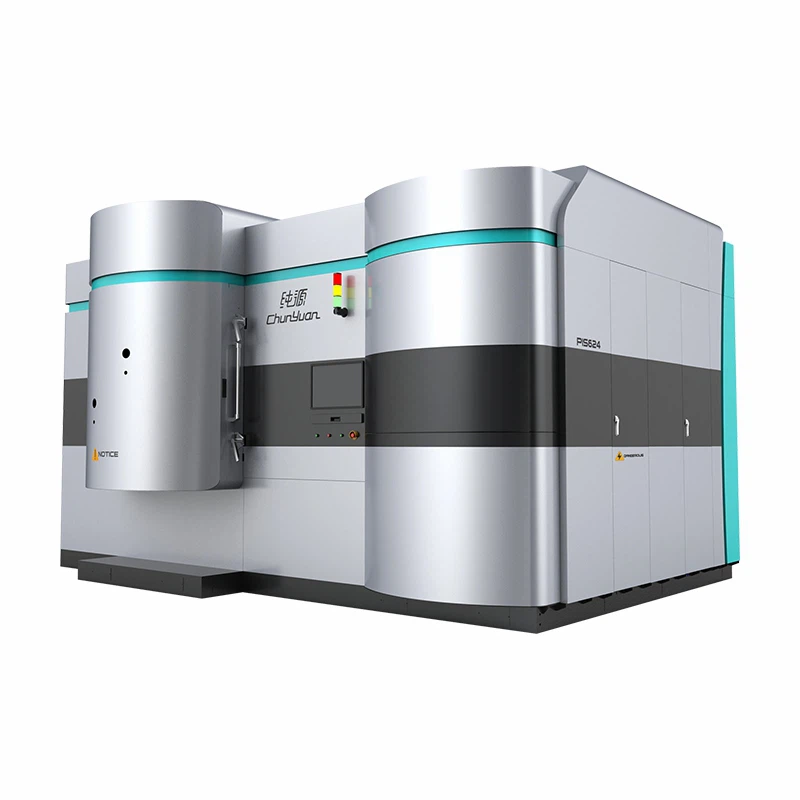
When it comes to using a PVD coating machine for tools, there are several types of machines that can do the job. For example, our PVD Gold Plating Machine is not just for gold - plating. It can also be used to apply other types of coatings on tools. The process in this machine involves heating the coating material to a high temperature until it turns into vapor. Then, this vapor is directed towards the tool surface, where it condenses and forms a uniform coating.
Another great option is our Pure Ion Coating Equipment. This machine uses ionized particles to create the coating. The ions are accelerated towards the tool, and they bond strongly with the tool surface. This results in a very hard and wear - resistant coating, which is super important for tools that are used in high - stress environments.
And let's not forget about our Magnetron Sputter Coating Equipment. In this machine, a magnetic field is used to sputter atoms from a target material. These atoms then travel through the vacuum and land on the tool, forming a coating. This method allows for precise control over the coating thickness and composition, which is crucial for getting the right properties for your tools.
Now, why would you want to use a PVD coating on your tools? Well, there are several benefits.
1. Improved Hardness and Wear Resistance
Tools that are coated with PVD coatings are much harder than uncoated ones. This means they can withstand more wear and tear during use. For example, cutting tools with PVD coatings can last much longer when cutting through hard materials like metal. They won't dull as quickly, which saves you money in the long run because you don't have to replace them as often.
2. Reduced Friction
PVD coatings can also reduce the friction between the tool and the material it's working on. This is especially important for tools like drills and milling cutters. When there's less friction, the tool can operate more smoothly, and there's less heat generated. Less heat means less damage to the tool and a better finish on the workpiece.
3. Corrosion Resistance
If your tools are used in environments where they're exposed to moisture or chemicals, PVD coatings can provide excellent corrosion resistance. The coating acts as a barrier, preventing the tool from rusting or corroding. This is a huge advantage for tools used in the marine or chemical industries.
4. Enhanced Aesthetics
Let's not forget about the looks. PVD coatings can give your tools a sleek and professional appearance. Whether it's a shiny gold - like finish or a more subdued metallic look, it can make your tools stand out. This can be a selling point if you're in the business of selling tools.
But, like any technology, there are also some things to consider when using PVD coating machines for tool coatings.
1. Cost
The initial investment in a PVD coating machine can be quite high. You need to factor in the cost of the machine itself, as well as the cost of operating it, including the coating materials and energy consumption. However, when you consider the long - term savings from longer - lasting tools and improved performance, it can be a worthwhile investment.
2. Coating Thickness and Quality Control
Getting the right coating thickness is crucial. If the coating is too thin, it might not provide the desired benefits. If it's too thick, it could cause problems like delamination. Quality control is also important to ensure that the coating is uniform and has the right properties. This requires some expertise and proper calibration of the machine.
3. Compatibility
Not all tools are suitable for PVD coatings. Some materials might react poorly with the coating, or the shape of the tool might make it difficult to apply a uniform coating. It's important to do some testing and research to make sure that the PVD coating is compatible with your specific tools.
In conclusion, a PVD coating machine can definitely be used for tool coatings, and it offers many advantages. Whether you're a small - scale tool manufacturer or a large industrial company, PVD coating can help you improve the performance and durability of your tools.
If you're interested in learning more about our PVD coating machines or want to discuss how they can be used for your tool - coating needs, don't hesitate to reach out. We're here to help you find the best solution for your business. Whether you're looking for a machine that can handle high - volume production or a more specialized one for unique tool designs, we've got you covered. So, let's start a conversation and see how we can work together to take your tool - making to the next level.

References
- "Physical Vapor Deposition (PVD) Coatings for Cutting Tools" - Journal of Manufacturing Science and Engineering
- "Advances in PVD Coating Technology for Tool Applications" - International Journal of Machine Tools and Manufacture
- "PVD Coating: Principles, Processes, and Applications" - ASM Handbook, Volume 5: Surface Engineering


