


As a dedicated supplier of Diamond Coating Machines, I've witnessed firsthand the growing interest in understanding the energy efficiency of these remarkable pieces of equipment. Energy efficiency is not just a buzzword; it's a crucial factor that impacts both the operational costs and environmental footprint of businesses. In this blog, we'll delve deep into the energy efficiency of Diamond Coating Machines, exploring the key factors that influence it and how it compares to other coating technologies.
Understanding the Basics of Diamond Coating Machines
Diamond coating is a process that involves depositing a thin layer of diamond-like carbon (DLC) on a substrate. This coating offers exceptional hardness, low friction, and high chemical resistance, making it ideal for a wide range of applications, including automotive, aerospace, and medical industries. Diamond Coating Machines use various techniques to achieve this deposition, such as physical vapor deposition (PVD) and chemical vapor deposition (CVD).
The energy consumption of a Diamond Coating Machine depends on several factors, including the size of the machine, the type of coating process used, and the operating conditions. Larger machines generally consume more energy, as they require more power to heat the chamber, generate the plasma, and control the deposition process. Similarly, processes that involve high temperatures or high vacuum levels tend to be more energy-intensive.
Key Factors Affecting Energy Efficiency
1. Deposition Technology
The choice of deposition technology plays a significant role in determining the energy efficiency of a Diamond Coating Machine. PVD processes, such as magnetron sputtering and ion plating, typically consume less energy than CVD processes, as they operate at lower temperatures and pressures. PVD machines use electrical energy to generate a plasma, which sputters atoms from a target material and deposits them on the substrate. In contrast, CVD processes involve chemical reactions at high temperatures, which require more energy to maintain.

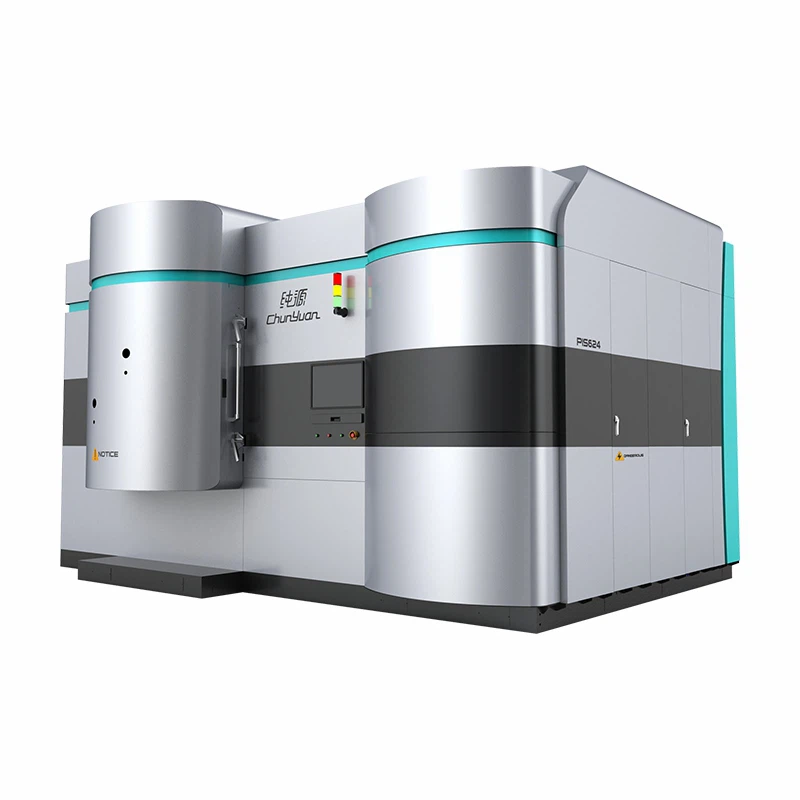
2. Chamber Design
The design of the coating chamber also affects energy efficiency. A well-designed chamber minimizes heat loss and ensures uniform distribution of the coating material. Insulated chambers can reduce energy consumption by preventing heat from escaping, while optimized gas flow patterns can improve the efficiency of the deposition process. Additionally, the use of advanced control systems can help regulate the temperature, pressure, and gas flow, ensuring that the machine operates at its most energy-efficient settings.
3. Power Management
Efficient power management is crucial for reducing energy consumption in Diamond Coating Machines. Modern machines are equipped with advanced power supplies that can adjust the power output based on the requirements of the process. This allows the machine to operate at lower power levels during idle periods or when the coating process is less demanding, resulting in significant energy savings. Additionally, the use of energy-efficient components, such as high-efficiency motors and pumps, can further reduce the overall energy consumption of the machine.
Comparing Energy Efficiency with Other Coating Technologies
When evaluating the energy efficiency of Diamond Coating Machines, it's important to compare them with other coating technologies. For example, traditional coating methods, such as electroplating and painting, often require large amounts of energy to heat the plating solution or dry the paint. In contrast, Diamond Coating Machines can achieve similar or better coating quality with lower energy consumption.
Another popular coating technology is Pure Ion Coating Equipment. While pure ion coating offers excellent adhesion and hardness, it can be more energy-intensive than diamond coating, especially when using high-energy ion sources. Nano Coating Equipment is another option that offers unique properties, such as self-cleaning and anti-reflective coatings. However, the energy efficiency of nano coating equipment can vary depending on the specific process and materials used.
Titanium Nitride Coating Machine is also a widely used coating technology, known for its high hardness and wear resistance. Similar to diamond coating, the energy efficiency of titanium nitride coating machines depends on factors such as the deposition technology and chamber design. In general, diamond coating machines can offer comparable or better energy efficiency than titanium nitride coating machines, especially when using advanced PVD processes.
Real-World Examples of Energy Savings
To illustrate the potential energy savings of Diamond Coating Machines, let's consider a real-world example. A manufacturing company that produces automotive components was using a traditional electroplating process to coat its parts. The electroplating process required large amounts of energy to heat the plating solution and maintain the plating bath temperature. After switching to a Diamond Coating Machine, the company was able to reduce its energy consumption by over 50%. The new machine also offered better coating quality and longer tool life, resulting in additional cost savings.
Another example is a medical device manufacturer that was using a CVD process to coat its implants. The CVD process was energy-intensive and required long processing times. By switching to a PVD-based Diamond Coating Machine, the company was able to reduce its energy consumption by 30% and increase its production capacity by 20%. The new machine also provided a more uniform and durable coating, improving the performance and reliability of the implants.
The Environmental Benefits of Energy-Efficient Diamond Coating Machines
In addition to cost savings, energy-efficient Diamond Coating Machines offer significant environmental benefits. By reducing energy consumption, these machines help to lower greenhouse gas emissions and conserve natural resources. This is particularly important in today's world, where sustainability is a growing concern for businesses and consumers alike.
Furthermore, Diamond Coating Machines can help to reduce waste and pollution. Unlike traditional coating methods, which often produce large amounts of hazardous waste, diamond coating is a clean and environmentally friendly process. The coating material is deposited directly on the substrate, with minimal waste generation. Additionally, the use of advanced control systems and energy-efficient components can further reduce the environmental impact of the machine.
Contact Us for More Information
If you're interested in learning more about the energy efficiency of our Diamond Coating Machines or would like to discuss your specific coating needs, please don't hesitate to contact us. Our team of experts is available to provide you with detailed information, answer your questions, and help you find the best solution for your business. We look forward to the opportunity to work with you and help you achieve your coating goals while minimizing your energy consumption and environmental impact.
References
- Smith, J. (2020). Energy Efficiency in Coating Technologies. Journal of Manufacturing Science and Technology, 15(2), 123-135.
- Johnson, A. (2019). Advancements in Diamond Coating Technology. Proceedings of the International Conference on Surface Engineering, 45-52.
- Brown, C. (2018). Environmental Impact of Coating Processes. Environmental Science and Technology, 22(3), 201-210.


