


As a supplier of AR coating machines, I often get asked about the energy consumption of these sophisticated pieces of equipment. Understanding the energy requirements of an AR coating machine is crucial for both manufacturers and end - users, as it directly impacts operational costs, environmental footprint, and overall efficiency.
The Basics of AR Coating Machines
AR, or anti - reflection, coating machines are used to apply thin films onto various substrates, such as glass, plastics, and metals. These coatings reduce reflection, increase light transmission, and improve the optical performance of the coated materials. The process typically involves physical vapor deposition (PVD), chemical vapor deposition (CVD), or a combination of both. Each method has its own energy - related characteristics.
Energy - Consuming Components
-
Vacuum System
The vacuum system is one of the most energy - intensive parts of an AR coating machine. To create a suitable environment for the coating process, the machine needs to evacuate the chamber to a very low pressure. This requires powerful vacuum pumps, such as rotary vane pumps, diffusion pumps, or turbomolecular pumps. Rotary vane pumps are relatively low - power, but they are often used as backing pumps for more powerful pumps. Diffusion pumps and turbomolecular pumps, on the other hand, consume a significant amount of energy. Diffusion pumps use a high - temperature oil vapor jet to create a vacuum, and the heating element for the oil can be quite power - hungry. Turbomolecular pumps have high - speed rotating blades that require a large amount of electrical power to maintain their rotation. -
Power Supplies for Coating Sources
The coating sources, such as sputtering targets or evaporation boats, need a stable power supply to generate the vapor or plasma required for the coating process. In sputtering, a high - voltage power supply is used to create a plasma that bombards the target material, causing atoms to be ejected and deposited on the substrate. The power requirements for sputtering can vary depending on the size of the target, the sputtering rate, and the type of material being sputtered. Evaporation sources also need a significant amount of energy to heat the coating material to its evaporation temperature. For example, evaporating metals like aluminum or gold requires high - power heating elements. -
Heating and Cooling Systems
Some AR coating processes require the substrate or the chamber to be heated to a specific temperature. This can be achieved through resistive heating elements or infrared heaters. Heating systems can consume a large amount of energy, especially if the chamber is large or the required temperature is high. Additionally, cooling systems are necessary to prevent overheating of the equipment, such as the power supplies, pumps, and coating sources. Cooling water circulation systems or air - cooling fans are commonly used, and they also consume energy.
Factors Affecting Energy Consumption
-
Machine Size and Capacity
Larger AR coating machines generally consume more energy than smaller ones. A larger chamber requires more power to evacuate to the desired vacuum level, and more coating sources may be needed to cover the larger substrate area. The heating and cooling requirements also increase with the size of the machine. For example, a large - scale production - level AR coating machine used in the automotive or display industries may have a much higher energy consumption compared to a small - scale research - oriented machine. -
Coating Process and Material
Different coating processes and materials have different energy requirements. For instance, PVD processes can be more energy - efficient than CVD processes in some cases. The type of coating material also matters. Some materials have higher melting or evaporation points, which means more energy is needed to vaporize them. For example, coating with a high - refractive - index material like titanium dioxide may require more energy compared to a lower - refractive - index material like silicon dioxide. -
Operating Parameters
The operating parameters of the AR coating machine, such as the coating rate, deposition time, and substrate temperature, can significantly affect energy consumption. A higher coating rate usually requires more power to the coating sources. Longer deposition times mean that the machine is running for a longer period, consuming more energy overall. Similarly, a higher substrate temperature requires more energy from the heating system.
Measuring and Reducing Energy Consumption
-
Energy Monitoring
To effectively manage energy consumption, it is important to monitor the energy usage of the AR coating machine. This can be done by installing energy meters at key points in the electrical system, such as at the power supply for the vacuum pumps, coating sources, and heating systems. By analyzing the energy consumption data, operators can identify which components are using the most energy and take appropriate measures to optimize their operation. -
Energy - Saving Technologies
There are several energy - saving technologies available for AR coating machines. For example, variable - frequency drives (VFDs) can be used to control the speed of the vacuum pumps and fans. By adjusting the speed according to the actual demand, energy consumption can be reduced. Energy - efficient power supplies can also be used to reduce the power consumption of the coating sources. Additionally, advanced insulation materials can be used to reduce heat loss from the heating systems, thereby reducing the energy required to maintain the desired temperature.
Comparison with Other Coating Machines
When comparing the energy consumption of AR coating machines with other types of coating machines, such as PVD Gold Plating Machine, Pure Ion Coating Equipment, and Universal Gold Plating Machine, there are some similarities and differences.
PVD gold plating machines also use a vacuum environment and power - hungry coating sources, similar to AR coating machines. However, the specific coating materials and processes may result in different energy consumption patterns. Pure ion coating equipment, which relies on ion - assisted deposition, may have different energy requirements depending on the ion source and the process parameters. Universal gold plating machines, which can be used for a variety of plating applications, may have a wide range of energy consumption depending on the specific application and the size of the machine.
Conclusion
The energy consumption of an AR coating machine is influenced by multiple factors, including the machine's components, size, coating process, and operating parameters. As a supplier, we are committed to developing and providing AR coating machines that are not only high - performing but also energy - efficient. By using advanced technologies and energy - saving measures, we can help our customers reduce their operational costs and environmental impact.
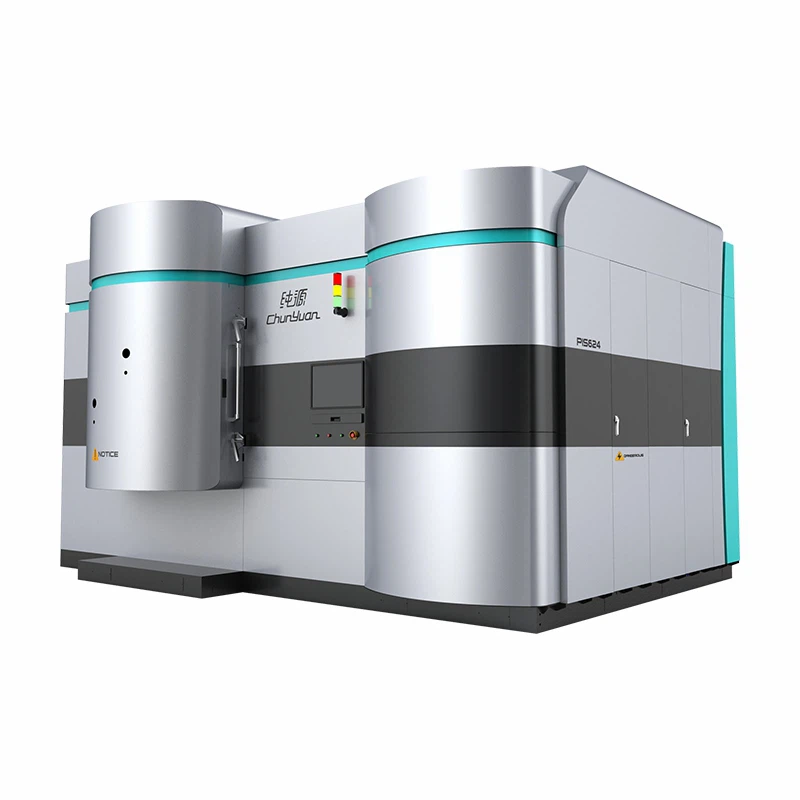

If you are interested in learning more about our AR coating machines or have specific requirements regarding energy consumption, we encourage you to contact us for a detailed discussion. Our team of experts is ready to assist you in choosing the most suitable machine for your needs and providing solutions to optimize energy usage.
References
- "Handbook of Physical Vapor Deposition (PVD) Processing" by Donald M. Mattox
- "Thin Film Processes II" edited by John L. Vossen and Werner Kern
- Industry reports on coating equipment energy efficiency.


