


As a supplier of Gold Sputtering Machines, I've witnessed firsthand the growing interest in the corrosion resistance of gold coatings produced by these remarkable pieces of equipment. Gold sputtering is a sophisticated physical vapor deposition (PVD) process that involves depositing a thin layer of gold onto a substrate. This process is widely used in various industries, from electronics to jewelry, due to gold's unique properties, including its excellent conductivity, malleability, and, of course, its high corrosion resistance.
Understanding the Corrosion Resistance of Gold
Gold is a noble metal, which means it is highly resistant to corrosion and oxidation. This resistance stems from its low reactivity with most chemicals, including oxygen. Unlike many other metals, gold does not form a layer of oxide on its surface when exposed to air, which is a common cause of corrosion in metals like iron and copper. Instead, gold maintains its luster and integrity over time, even in harsh environments.
The corrosion resistance of gold is further enhanced when it is deposited as a thin film using a Gold Sputtering Machine. During the sputtering process, gold atoms are ejected from a target material and deposited onto the substrate in a highly controlled manner. This results in a dense, uniform coating that adheres strongly to the substrate, providing excellent protection against corrosion.
Factors Affecting the Corrosion Resistance of Gold Coatings
While gold is inherently corrosion-resistant, several factors can affect the performance of gold coatings produced by a Gold Sputtering Machine. These factors include:
Coating Thickness
The thickness of the gold coating plays a crucial role in its corrosion resistance. Thicker coatings generally provide better protection, as they offer more material to resist corrosion. However, there is a trade-off between coating thickness and cost, as thicker coatings require more gold and longer deposition times. In practice, the optimal coating thickness depends on the specific application and the desired level of corrosion resistance.

Coating Density
The density of the gold coating also affects its corrosion resistance. A dense coating with few voids or pores is more resistant to corrosion than a porous coating, as it provides a more effective barrier against corrosive agents. The density of the coating can be influenced by several factors, including the sputtering parameters, such as the sputtering power, pressure, and gas flow rate.
Substrate Material
The substrate material on which the gold coating is deposited can also affect its corrosion resistance. Some substrates, such as stainless steel and titanium, are more resistant to corrosion than others, such as aluminum and copper. In addition, the surface finish of the substrate can also influence the adhesion of the gold coating and its resistance to corrosion. A smooth, clean surface provides a better foundation for the coating and helps to prevent the formation of corrosion sites.
Environmental Conditions
The environmental conditions to which the gold-coated substrate is exposed can also have a significant impact on its corrosion resistance. Factors such as temperature, humidity, and the presence of corrosive chemicals can all accelerate the corrosion process. For example, gold coatings may be more susceptible to corrosion in high-humidity environments or in the presence of acids or alkalis.
Applications of Gold Coatings with High Corrosion Resistance
The excellent corrosion resistance of gold coatings produced by a Gold Sputtering Machine makes them ideal for a wide range of applications. Some of the most common applications include:
Electronics
In the electronics industry, gold coatings are used to protect electrical contacts and components from corrosion. Gold's high conductivity and corrosion resistance make it an ideal material for ensuring reliable electrical connections, even in harsh environments. For example, gold-coated connectors are commonly used in smartphones, computers, and other electronic devices to prevent signal loss and ensure long-term performance.
Jewelry
Gold is a popular choice for jewelry due to its beauty and durability. Gold coatings produced by a Gold Sputtering Machine can be used to enhance the appearance and corrosion resistance of jewelry made from other metals, such as silver and copper. By depositing a thin layer of gold onto the surface of the jewelry, manufacturers can create a high-quality, long-lasting product that retains its luster and value over time.
Medical Devices
In the medical industry, gold coatings are used to improve the biocompatibility and corrosion resistance of medical devices. Gold is non-toxic and does not react with bodily fluids, making it an ideal material for use in implants and other medical devices. Gold coatings can also help to prevent the formation of biofilms on the surface of medical devices, reducing the risk of infection.
Our Gold Sputtering Machines: Ensuring High-Quality, Corrosion-Resistant Gold Coatings
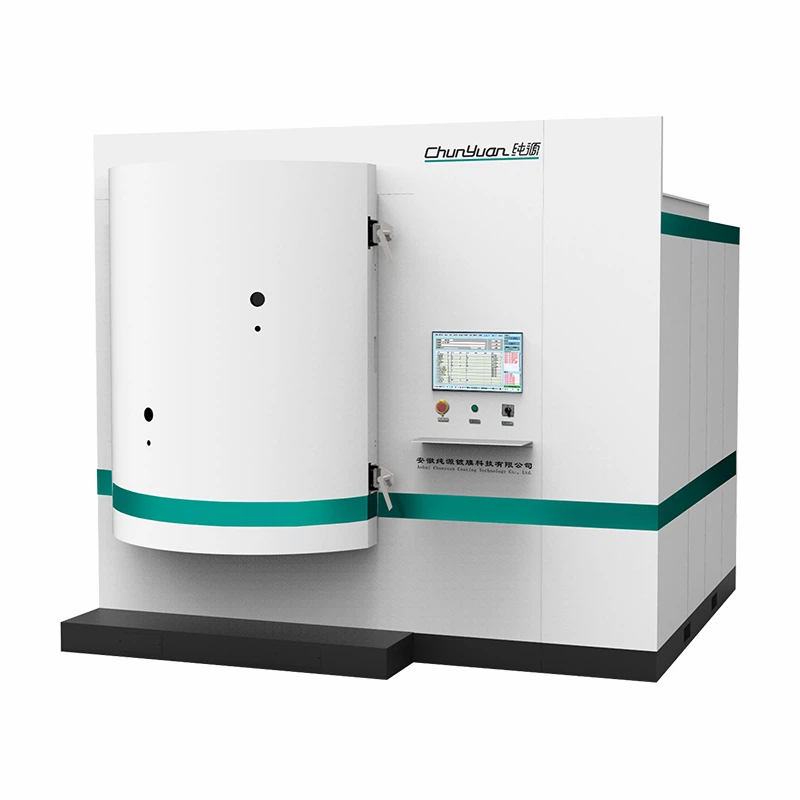
At our company, we are committed to providing high-quality Gold Sputtering Machines that produce gold coatings with excellent corrosion resistance. Our machines are designed with the latest technology and features to ensure precise control over the sputtering process, resulting in dense, uniform coatings that adhere strongly to the substrate.
In addition to our Gold Sputtering Machines, we also offer a range of related products and services, including Sputter Coating Machine, Vacuum Metalizing Equipment, and PVD Gold Plating Machine. Our team of experts is available to provide technical support and advice to help you choose the right equipment for your specific application and ensure the best possible results.
Contact Us for Your Gold Coating Needs
If you are interested in learning more about our Gold Sputtering Machines or our other coating equipment, please contact us today. Our team of sales representatives is ready to answer your questions and provide you with a free quote. We look forward to working with you to meet your gold coating needs and help you achieve your business goals.
References
- "Physical Vapor Deposition (PVD) Technology" by John A. Thornton
- "Corrosion Resistance of Metals and Alloys" by George S. Frankel
- "Gold: Properties, Applications, and Production" by World Gold Council


