


In the realm of metal processing and manufacturing, the coating of metals plays a pivotal role in enhancing their durability, appearance, and functionality. As a leading [your role] at a prominent Metal Coating Machine supplier, I often encounter inquiries regarding the coating speed of a typical metal coating machine. This blog post aims to delve into the intricacies of coating speed, exploring the factors that influence it and providing insights into what one can expect from a standard metal coating machine.

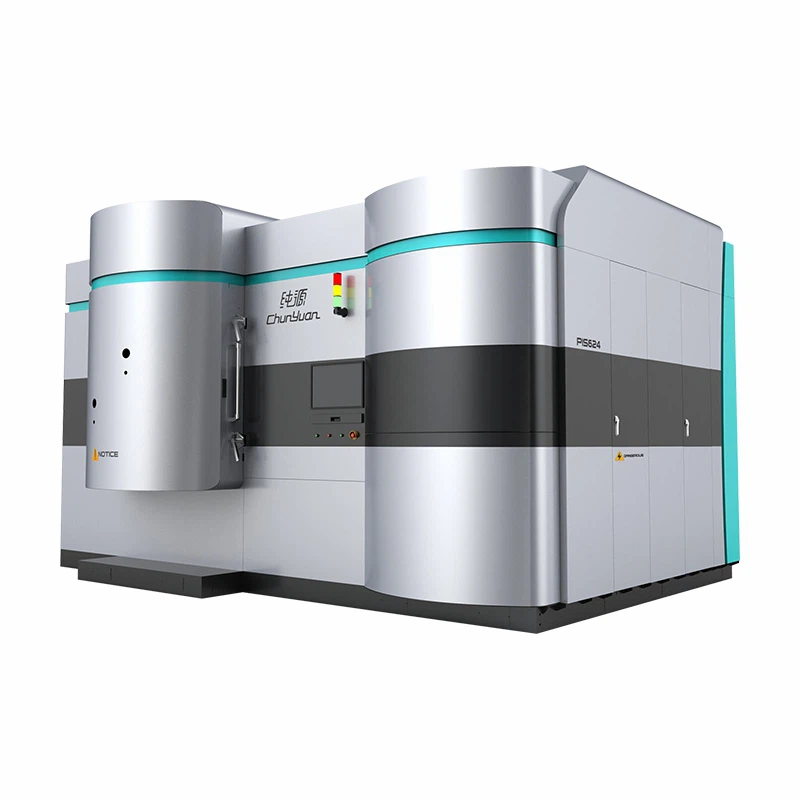
Understanding Coating Speed
Coating speed, in the context of metal coating machines, refers to the rate at which a metal surface can be uniformly covered with a coating material. It is typically measured in linear units per unit of time, such as meters per minute (m/min) or feet per minute (ft/min). The coating speed is a crucial parameter as it directly impacts the productivity of the coating process. A higher coating speed means more metal parts can be coated within a given time frame, leading to increased output and potentially lower production costs.
Factors Influencing Coating Speed
1. Coating Material
The type of coating material used has a significant impact on the coating speed. Different coating materials have varying viscosities, drying times, and adhesion properties. For instance, a thin and low - viscosity coating material can be applied more quickly compared to a thick and highly viscous one. Water - based coatings generally have lower viscosities and can be applied at higher speeds than solvent - based coatings. Additionally, some coatings may require longer drying or curing times, which can slow down the overall coating process.
2. Coating Method
There are several coating methods available for metal coating machines, including spray coating, dip coating, roll coating, and electroplating. Each method has its own characteristic coating speed. Spray coating is a popular method known for its relatively high speed, especially when using automated spray systems. These systems can cover large metal surfaces rapidly. Dip coating, on the other hand, may be slower as it involves submerging the metal part in a coating bath and allowing the excess coating to drip off. Roll coating is suitable for flat metal surfaces and can achieve moderate to high coating speeds, depending on the design of the roll coater. Electroplating speed is influenced by factors such as the current density, the type of electrolyte, and the surface area of the metal being plated.
3. Metal Surface Condition
The condition of the metal surface prior to coating also affects the coating speed. A clean, smooth, and properly pre - treated metal surface allows for better adhesion of the coating and can be coated more quickly. If the metal surface has rust, dirt, or other contaminants, it may require additional cleaning and pre - treatment steps, which can slow down the overall process. Surface roughness can also impact the coating speed. A very rough surface may require multiple passes of the coating to achieve a uniform finish, reducing the effective coating speed.
4. Machine Design and Capacity
The design and capacity of the metal coating machine itself play a crucial role in determining the coating speed. A well - designed machine with advanced features such as high - speed pumps, efficient spray nozzles, or precise roll mechanisms can achieve higher coating speeds. The size of the machine's coating chamber and the conveyor system also matter. A larger coating chamber can accommodate more metal parts at once, potentially increasing the overall throughput. Moreover, machines with higher power and better control systems can operate more efficiently and maintain consistent coating speeds.
Typical Coating Speeds for Different Metal Coating Machines
Spray Coating Machines
In general, spray coating machines can achieve coating speeds ranging from 5 to 30 meters per minute for small to medium - sized metal parts. For large - scale industrial applications, such as automotive body coating, the coating speed can be even higher, reaching up to 60 meters per minute or more. These high - speed spray coating systems are often automated and equipped with multiple spray guns to cover large surface areas quickly.
Dip Coating Machines
Dip coating machines typically have lower coating speeds compared to spray coating machines. The speed of dip coating is mainly limited by the time required for submerging the metal part in the coating bath, allowing the excess coating to drain, and the drying or curing process. For small metal parts, the coating speed may be around 1 to 5 parts per minute. For larger parts, the process can take several minutes per part.
Roll Coating Machines
Roll coating machines are commonly used for coating flat metal sheets or strips. They can achieve coating speeds ranging from 10 to 100 meters per minute, depending on the thickness of the coating, the type of coating material, and the quality requirements. High - speed roll coating machines are often used in the production of metal panels for construction and appliance industries.
Electroplating Machines
The coating speed in electroplating is usually expressed in terms of the thickness of the plated layer per unit of time. For example, in nickel electroplating, a typical plating rate can be around 0.1 to 1 micrometer per minute. The overall coating speed for electroplating a metal part depends on the desired thickness of the plating layer and the surface area of the part.
Our Metal Coating Machines and Their Coating Speeds
As a supplier of Metal Coating Machine, we offer a wide range of machines designed to meet different coating requirements. Our spray coating machines are equipped with advanced spray nozzles and control systems, allowing for high - speed and precise coating. They can achieve coating speeds of up to 40 meters per minute for most common metal parts. Our roll coating machines are engineered for efficiency and can reach coating speeds of up to 80 meters per minute, ensuring high - volume production.
In addition to our standard metal coating machines, we also provide Pure Ion Coating Equipment and Nano Coating Equipment. These advanced coating technologies offer unique advantages in terms of coating quality and performance. While the coating speeds of these specialized machines may vary depending on the specific application and coating parameters, we ensure that they are optimized for maximum productivity without compromising on the coating quality.
Conclusion and Call to Action
The coating speed of a typical metal coating machine is influenced by a multitude of factors, including the coating material, method, metal surface condition, and machine design. Understanding these factors is essential for choosing the right coating machine and optimizing the coating process for maximum productivity.
If you are in the market for a metal coating machine or are looking to upgrade your existing coating equipment, we invite you to contact us. Our team of experts can provide you with detailed information about our products, including their coating speeds, capabilities, and pricing. We are committed to helping you find the best coating solution for your specific needs. Whether you are a small - scale manufacturer or a large industrial enterprise, we have the expertise and products to meet your requirements. Reach out to us today to start a conversation about your coating needs and explore how our metal coating machines can enhance your production process.
References
- "Coating Technology Handbook", Third Edition, edited by Thomas M. Orband.
- "Principles of Metal Coating and Finishing", Fourth Edition, by George S. Ansell.
- Industry reports and whitepapers on metal coating machine technology.


