


Hey there! As a supplier of Gold Sputtering Machines, I've had a front - row seat to the fascinating world of thin - film deposition. One question that often pops up from our customers is, "What is the effect of sputtering power on the gold coating in a Gold Sputtering Machine?" Let's dig into it.
First off, let's understand what sputtering power is. In a Gold Sputtering Machine, sputtering power refers to the electrical power applied to the sputtering target (in this case, gold). It's a crucial parameter because it directly affects the energy and the number of gold atoms that are ejected from the target and deposited onto the substrate.
When we increase the sputtering power, one of the most obvious effects is an increase in the deposition rate. Think of it like this: higher power means more energy is being pumped into the system. This extra energy causes more gold atoms to be knocked off the target. As a result, more gold atoms are available to be deposited on the substrate, leading to a faster - growing gold coating. For example, if you're working on a project where you need a thick gold coating in a short amount of time, increasing the sputtering power can be a great option.
However, it's not all sunshine and rainbows when we crank up the power. Higher sputtering power also brings with it an increase in the kinetic energy of the sputtered gold atoms. These high - energy atoms can cause some issues with the quality of the gold coating. One such issue is surface roughness. The high - energy atoms can hit the substrate with a lot of force, causing the gold coating to form in a more irregular manner. Instead of a smooth, uniform surface, you might end up with a rough and bumpy coating. This can be a big problem if you're aiming for a high - quality finish, like in jewelry or some high - tech electronic applications.
Another aspect affected by sputtering power is the adhesion of the gold coating to the substrate. At lower sputtering powers, the gold atoms are deposited more gently, allowing them to bond well with the substrate. But when the power is too high, the high - energy atoms can create stress within the coating. This stress can lead to poor adhesion, and over time, the gold coating might start to peel off or delaminate from the substrate.
The density of the gold coating is also influenced by sputtering power. At low powers, the coating tends to be more porous because the atoms are deposited slowly and have more time to arrange themselves in a less - compact way. As the sputtering power increases, the coating becomes denser. A denser coating can have better electrical conductivity and corrosion resistance, which are important properties in many applications, such as in the manufacture of microelectronics.
Now, let's talk about how these effects translate into real - world applications. If you're in the jewelry industry, you might be looking for a smooth, shiny gold coating with good adhesion. In this case, you'd want to find an optimal sputtering power that balances the deposition rate with the quality of the coating. You don't want it too high and end up with a rough, peeling coating, but you also don't want it too low and wait forever for a thin layer of gold to form.
For those in the electronics industry, a dense and uniform gold coating is often crucial for proper electrical performance. Here, you might be more willing to experiment with higher sputtering powers to achieve the desired density, as long as you can control the other negative effects like surface roughness and poor adhesion.
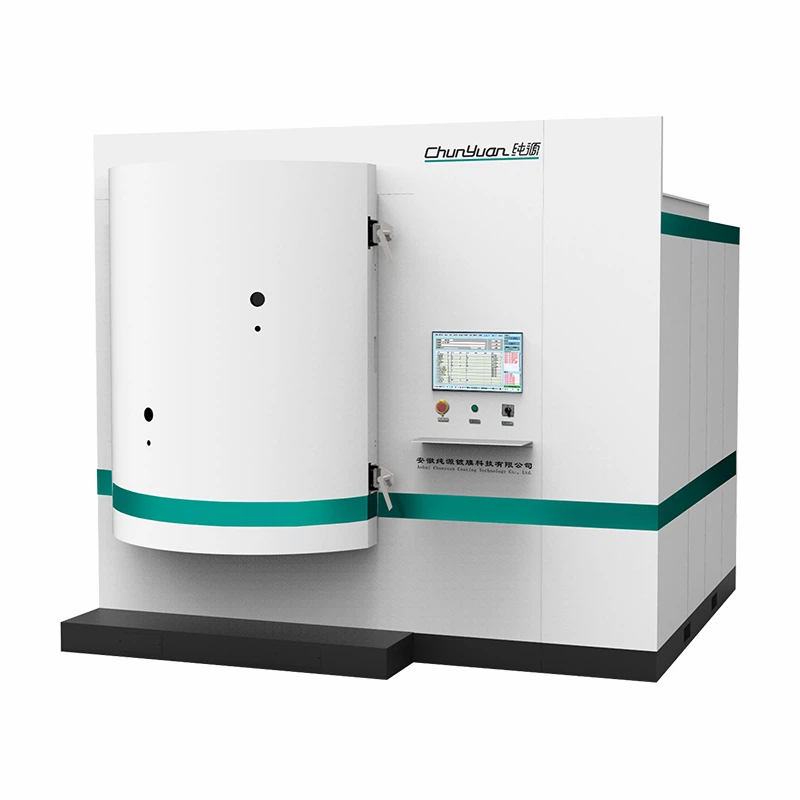
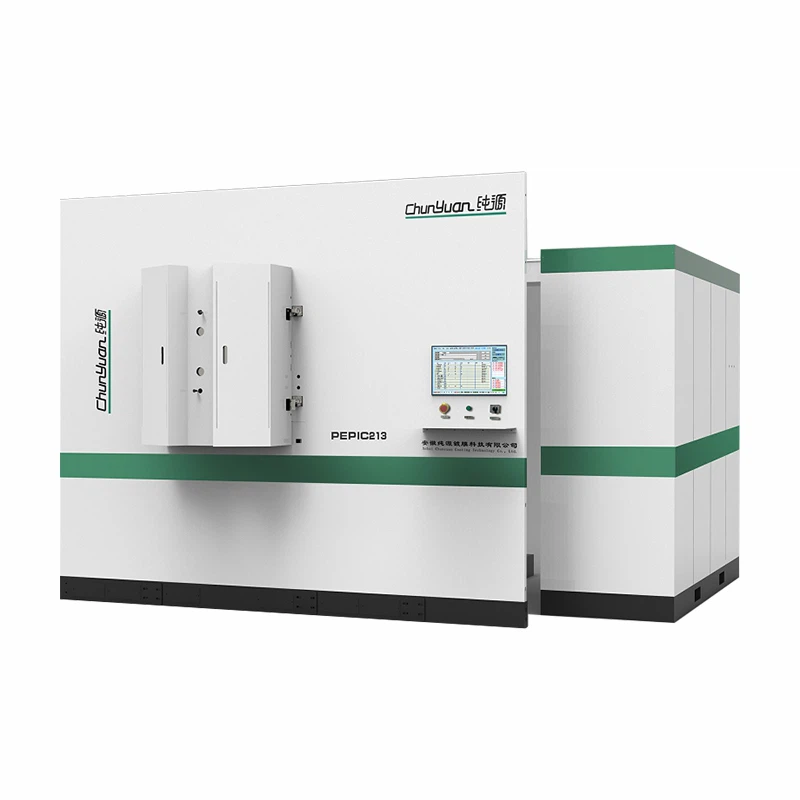
As a Gold Sputtering Machine supplier, we offer a range of machines that can handle different sputtering powers. Our Metal Coating Machine and Sputter Coating Machine are designed to give you precise control over the sputtering process, allowing you to fine - tune the power according to your specific needs. And if you're looking for more comprehensive Metal Coating Equipment, we've got you covered too.
So, how do you find the right sputtering power for your project? It usually involves some trial and error. Start with a lower power and gradually increase it while monitoring the quality of the coating. Look at factors like thickness, surface roughness, adhesion, and density. Keep in mind that different substrates and target materials might also require different optimal sputtering powers.
In conclusion, sputtering power plays a vital role in the quality and characteristics of the gold coating in a Gold Sputtering Machine. It's a double - edged sword, offering benefits like increased deposition rates but also bringing potential problems like rough surfaces and poor adhesion. By understanding these effects and carefully controlling the sputtering power, you can achieve the perfect gold coating for your application.
If you're interested in learning more about our Gold Sputtering Machines or need help in choosing the right sputtering power for your project, don't hesitate to reach out. We're here to assist you in getting the best results from your gold coating process. Whether you're a small - scale jewelry maker or a large - scale electronics manufacturer, we have the solutions to meet your needs. Contact us today to start a conversation about your requirements and let's work together to achieve the perfect gold coating.
References
- "Thin Film Deposition: Principles and Practice" by Donald M. Mattox
- "Sputter Deposition" in the Handbook of Thin Film Technology


